Pharmaceutical Sciences. 32(2):185-200.
doi: 10.34172/PS.026.42931
Review Article
Integrative Review of Vaccinium arctostaphylos L.: Phytochemical Composition, Biological Activities, Comparative Insights, and Future Development Prospects
Negin Kamkar Data curation, Writing – original draft, 1 
Faezeh Nemati Conceptualization, Supervision, Validation, Writing – review & editing, 2, *
Mohsen Farhadpour Methodology, Writing – review & editing, 3
Mansour Miran Methodology, Validation, 4
Hadi Ghanbari Data curation, Supervision, Validation, Writing – review & editing, 5, 6
Mozhgan Effat Panahi Data curation, Writing – review & editing, 7
Reza Zadali Conceptualization, Methodology, Supervision, Writing – original draft, 1, *
Author information:
1Department of Pharmacy, Da. C., Islamic Azad University, Damghan, Iran
2Department of Chemical Technologies, Iranian Research Organization for Science and Technology (IROST), Tehran, Iran
3Department of Plant Bioproducts, National Institute of Genetic Engineering and Biotechnology (NIGEB), Tehran, Iran
4Department of Medicinal Chemistry and Pharmacognosy, School of Pharmacy, Ardabil University of Medical Sciences, Ardabil, Iran
5Drug Applied Research Center, Tabriz University of Medical Sciences, Tabriz, Iran
6Department of Pharmacognosy, Faculty of Pharmacy, Tabriz University of Medical Sciences, Tabriz, Iran
7Department of Food Science and Technology, Faculty of Agriculture, University of Tabriz, Tabriz, Iran
Abstract
Vaccinium arctostaphylos L. (Ericaceae), is a medicinal shrub that commonly found in Caucasus and western Asia (Iran and Turkey). Traditionally, this plant has been employed for its antidiabetic and antihypertensive effects. Recent studies have indicated that V. arctostaphylos contains several important bioactive compounds, including terpenoids, anthocyanins, flavonoids, and phenolic acids, primarily found in its aerial parts. Although there is increasing evidence from laboratory and clinical studies supporting its beneficial effects on diabetes, hypertension, and hyperlipidemia, a comprehensive review of its ethnobotany, dietary value, chemical composition, pharmacological properties, and clinical applications remains lacking. This article serves as the first detailed review summarizing the current knowledge about V. arctostaphylos, encompassing its chemical constituents, biological activities, and findings from clinical trials. The information presented has been gathered from major scientific databases such as Google Scholar, Scopus, and PubMed. Overall, V. arctostaphylos presents a multifaceted therapeutic potential as a nutraceutical, offering complementary benefits in the modulation and management of complex metabolic disorders.
Keywords: Vaccinium arctostaphylos, Bioactive compounds, Pharmacological properties, Dietary value, Clinical applications
Copyright and License Information
© 2026 The Author(s).
This is an open access article and applies the Creative Commons Attribution Non-Commercial License (
http://creativecommons.org/licenses/by-nc/4.0/). Non-commercial uses of the work are permitted, provided the original work is properly cited.
Funding Statement
This research received no specific grant from any funding agency in the public, commercial, or not-for-profit sectors.
Introduction
The Ericaceae family, commonly known as the heath family, is a large and diverse group of flowering plants that includes over 126 genera and more than 4,000 species.1 Many species within this family are valuable in the food, medicine, agriculture and industries as they are rich in active compounds, including flavonoids, phenolic acids, and anthocyanins. Vaccinium is one of the largest genera in the Ericaceae family, with around 450 species distributed throughout the world, particularly in North and Central America, Southeast and Central Africa, Western Asia, and Europe.2 This genus contains several medicinal plants, such as Blueberries (V. corymbosum and V. angustifolium), Cranberries (V. oxycoccos and V. macrocarpon), Bilberries (V. myrtillus), Lingonberries (V. vitis-idaea), and Caucasian whortleberry (V. arctostaphylos).3 The Vaccinium species are known for their numerous health benefits, including antioxidant, antitumor, anti-inflammatory, antidiabetic, antibiofilm, and antimicrobial properties, as well as their potential to reduce the risk of cardiovascular disease.2,4,5 Vaccinium arctostaphylosL.,commonly known as Caucasian whortleberry and locally referred to as Qare-Qat in Iran, is a hardy perennial shrub that mainly grows in the northern and northwestern parts of Iran, particularly in Ardebil, Tabriz, Astara, and Mazandaran.6,7 This plant is recognized not only as an important food source but also for its significant medicinal and ecological value. Therefore, it plays a vital role in both traditional usage and conservation studies.8,9 V. arctostaphylos traditionally has been used as an antidiabetic agent and recent studies also indicate its potential effectiveness against cardiovascular diseases.10 This effects of V. arctostaphylos may relate to its ability to modulate oxidative stress, which plays a central role in the pathogenesis of insulin resistance and cardiovascular complications in diabetes. By reducing reactive oxygen species (ROS), it helps prevent the activation of pro-inflammatory signaling pathways such as nuclear factor kappa B (NF-κB) and C-Jun N-Terminal Kinases (JNK), thereby preserving insulin signaling and protecting vascular function. In addition, this plant helps regulate blood pressure, especially in situations related to nitric oxide synthase inhibition.11-14 Phytochemistry investigations of V. arctostaphylos have indicated the presence of anthocyanins,15-17 flavonoids, and phenolic acids, which contribute to its medicinal properties.18 A recently published article focused on the botanical characteristics, phytochemical profile, and pharmacological effects of the plant under investigation.19 However, the present study offers a more comprehensive examination of these aspects and expands the scope by addressing additional dimensions, including the challenges of commercialization, the potential for market entry, and a Comparative overview of this species with other well-known Vaccinium species in terms of both their key phytochemicals and biological activities.
This comprehensive approach enables a deeper understanding of the plant’s value and prospects in the market.
Ethnobotany and traditional use
V. arctostaphylos is a popular medicinal plant in traditional medicine, especially in Gilan province, Iran. Ethnopharmacological studies have reported the use of its dried leaves and especially its fruits as a heart tonic, anti-inflammatory, astringent, diuretic, antiviral, and anti-ulcer agent. Traditionally, it has been used alone or with other medicinal herbs to treat various ailments. These include diabetes, hypertension, diarrhea, arrhythmia, edema, cataracts, high LDL, leg cramps, atherosclerosis, amenorrhea, dysmenorrhea, urinary tract infections, varicose veins, rheumatoid arthritis, and breast tumors. For example, a common remedy for diabetes includes eating 20 to 30 fruits daily or a mix of Nigella sativa (1 g), Urtica dioica (2 g), a small amount of Pistacia lentiscus, and olive leaves after each meal.20 The medicinal use of V. arctostaphylos extends beyond Iran. In nearby areas like Turkey and the Caucasus, the fruit, often called whortleberry, is traditionally consumed at a dose of about 5 grams per day to help manage diabetes and high blood pressure.21,22
Food and nutritional value
There is increasing interest in studying medicinal plants like Vaccinium spp to confirm their roles as both functional foods and therapeutic agents. Among these plants, 22 species have berries that are used as food. Fruits and leaves are the most commonly mentioned useful parts of the plant. For example, Vaccinium corymbosum, Vaccinium myrtillus, Vaccinium macrocarpon, Vaccinium oxycoccos, Vaccinium angustifolium, Vaccinium vitis-idaea, and Vaccinium uliginosum are the best-known and commercially significant Vaccinium species whose fruits are commonly used as food.23 In addition, the berries of V. arctostaphylos are used as fresh fruit, marmalade, jars, fruit juice, medicine, and black tea. They have also exported as dried and frozen berries over the years.24 The fruits of the blueberry species have many health benefits due they are a great source of fibre and contain vitamins C and K, with trace amounts of vitamins A, B, and E. Additionally, they are rich in minerals like calcium, iron, magnesium, manganese, copper, and zinc.25 Recent analyses show that the berries of V. arctostaphylos contain significant levels of macronutrients. These include 30% sugars, mainly fructose and glucose, 15% protein, and 2% fat.26,27 Furthermore, in another analyse was reported that the fruit extract is made up of 25-35% starch, 5% mucilage, 10% saccharose, and 11% pectins, making it a valuable ingredient for food products.28 Additionally, elemental studies indicate that the berries are rich in nitrogen (2.21%), carbon (48.06%), sulfur (0.14%), and phosphorus (0.04%), further highlighting their nutritional benefits.29 Mineral composition studies from Turkey’s Eastern Black Sea region show that the fruits of V. arctostaphylos had significant macroelements. They included nitrogen (0.84%), potassium (620.16 mg kg⁻¹), calcium (20.10 mg kg⁻¹), and magnesium (22.19 mg kg⁻¹). When compared to cultivated V. corymbosum, wild V. arctostaphylos fruits had higher levels of nitrogen, calcium, and magnesium. The phosphorus and potassium concentrations were similar. Trace element analysis showed notable manganese (5.19 mg kg⁻¹ in leaves) and selenium (1.64 mg kg⁻¹ in fruits, the highest among the tested samples). This analysis also found low iron (0.001 mg kg⁻¹ in fruits) and moderate zinc (1.62 mg kg⁻¹). The heavy metal content, including cadmium (0.003 mg kg⁻¹) and lead (0.61 mg kg⁻¹), was below toxic levels, confirming it is safe for consumption. The plant’s leaves also showed higher nitrogen (2.12%) and trace elements, such as copper (3.06 mg kg⁻¹), compared to the fruits.30 Rich in proteins, vitamins, carbohydrates, and minerals, V. arctostaphylos serves as both a traditional food source and a potential ingredient for modern functional foods.
Phytochemical constituents
Various chemical compounds have been identified in different parts of V. arctostaphylos, including phenolic compounds, anthocyanins, flavonoids, and terpenoids. Generally, the compounds present in V. arctostaphylos can be classified into two categories: volatile and non-volatile constituents.
Volatile constituents of V. arctostaphylos
Essential oils, especially those rich in monoterpenes, play an important role in plant defence and have various biological effects. Several studies have analyzed the essential oil composition ofV. arctostaphylos, identifying key bioactive compounds.
In 2002, Nickavar et al. studied the essential oil composition of the flowering aerial parts of V. arctostaphylos for the first one, and they identified 26 compounds, of which alpha-terpineol (1) (14.99%), linalool (2) (13.7%), trans-beta ionone (3) (7.53%), thymol (4) (6.54%) and geraniol (5) (6.27%) were the major constituents.31 Another study reported 12 compounds in the essential oil from the shoot parts of V. arctostaphylos, finding hexadecanoic acid (6) (27.0%), vitispirane (7) (6.5%), beta-ionone (8) (5.9%), and sandaracopimaradiene (9) (4.8%) to be the major components.32 In addition, another study conducted by Teimouri found that the essential oils extracted from the flowering shoots of V. arctostaphylos in Iran exhibit a high content of bioactive compounds, notably α-Pinene (10), Linalool, Sandaracopimaradiene, and Safranal (11), (Figure 1). These components contribute to significant antibacterial effects against most of the bacteria tested.33
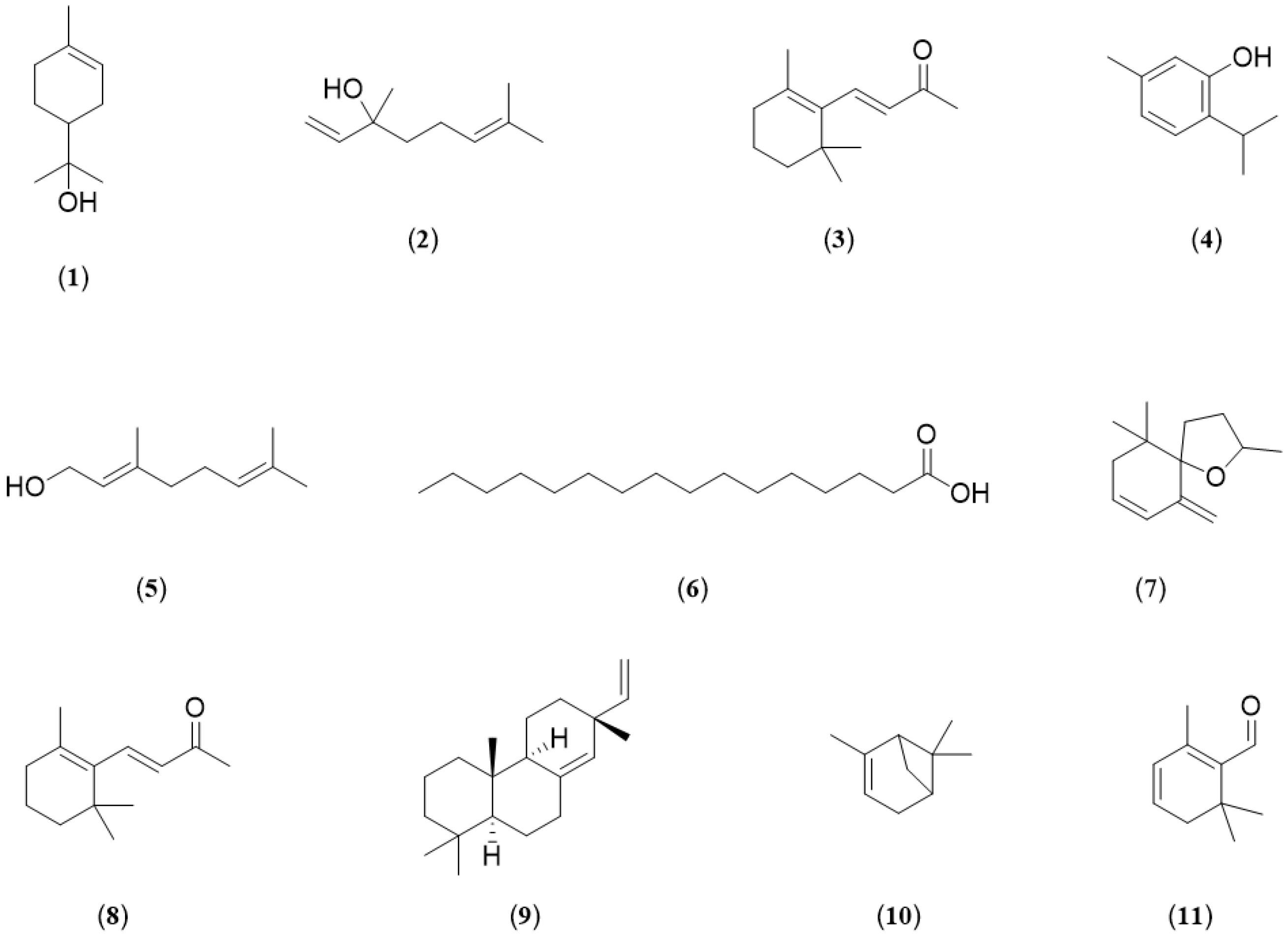
Figure 1.
Volatile compounds isolated from V. Arctostaphylos
.
Volatile compounds isolated from V. Arctostaphylos
Non-volatile constituents of V. arctostaphylos
According to the studies about the chemical diversity of the aerial parts of V. arctostaphylos, the main secondary metabolites of extracts of this plant are anthocyanin, flavonoid, and phenolic compounds. These components contribute significantly to the plant’s chemical profile and may offer various health benefits.
Flavonoids and their glycosides
Flavonoids are a large class of secondary metabolites found in many plant species, especially in the Vaccinium genus, including V. arctostaphylos.34 A large number of the health benefits of V. Arctostaphylos, including antimicrobial, antioxidant, anti-hypertensive, anti-dyslipidemic, antidiabetic, anti-inflammatory, and neuroprotective effects, are due to its flavonoid constituents.35-39 The recent study on isolating and quantifying chemical constituents from V. arctostaphylos shows that the ethanolic extract of its leaves contains several flavonoid compounds, including quercetin (12), and its glycosides such as quercetin-3-O-rutinoside (Rutin) (13), quercetin-3-O-galactoside (Hyperoside) (14), quercetin-3-O glucoside (Isoquercetin) (15), quercetin-3-O-arabinopyranoside (Guaiaverin) (16), quercetin-3-O-arabinofuranoside (Avicularin) (17), quercetin-3-O-rhamnoside (Quercitrin) (18) and quercetin-3-O (6’’-acetyl)-glucoside (19)39 (Figure 2). Additionally, Nickavar et al. reported that the methanolic extract of the leaves of V. arctostaphylos also contains quercetin, which is known to inhibit α-amylase, an enzyme associated with chronic metabolic diseases such as diabetes mellitus.37 In a different study, researchers discovered the methanolic extract of V. arctostaphylos fruit contains 63.88 ± 1.0 mg of total flavonoids per gram, which is equivalent to quercetin based on the dried extract.38 In another study, Sholeh et al. evaluated the phenolic compounds of V. arctostaphylos from three regions of Talesh, Iran. They showed that the methanol extracts of fresh fruits from Chubar contained the highest amount of flavonoids compared to the other regions.18 In a similar study, the phytochemical content of V. arctostaphylos was examined in two natural habitats in Gilan Province: Khotbe Sara at 1600 meters and Asalem at 1300 meters. The levels of flavonoid compounds showed significant differences, ranging from 186.18 to 289.17 mg of quercetin equivalents (QUE) per gram. The quercetin content varied between 136.13 and 218.2 parts per million at the two elevations. The fruit extract from the 1600-meter site had a higher concentration of phenolic compounds and displayed better antioxidant capacity.20
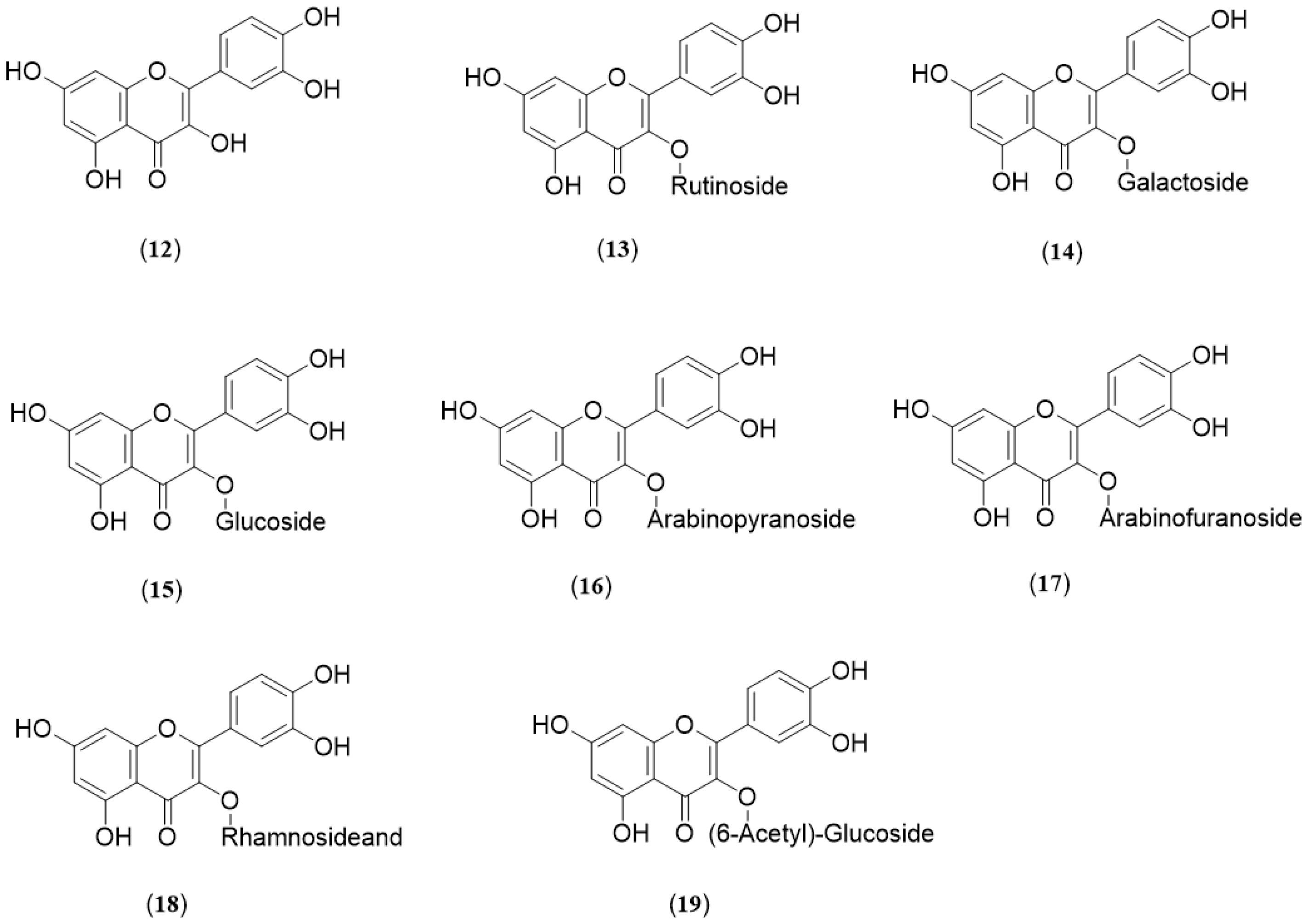
Figure 2.
Flavonoids and their glycosides isolated from V. Arctostaphylos
.
Flavonoids and their glycosides isolated from V. Arctostaphylos
Anthocyanins
Anthocyanins are water-soluble pigments composed of an aglycone called anthocyanidin and a sugar moiety, which provide a variety of colors in the Vaccinium genus.15,40 The various studies indicated that anthocyanin compounds offer multiple health benefits, including antioxidant, anti-inflammatory, cardiovascular protection, neuroprotection, and anti-diabetic effects in Vaccinium species.41,42 According to the evidence, numerous anthocyanidins have been identified in the aerial parts of Vaccinium species, but only pelarogonidin, cyanidin, petunidin, delphinidin, peonidin, and malvidin are the most common.43
Delphinidin (20), petunidin (21), malvidin (22), Peonidin (23) and cyanidin (24) are the aglycone forms of the anthocyanins present in the berries of V. arctostaphylos (Figure 3).15,16 All of these compounds have been previously reported in other species of the Vaccinium genus, such as V. corymbosum L.,44 V. myrtillus L.,45 and V. angustifolium.46
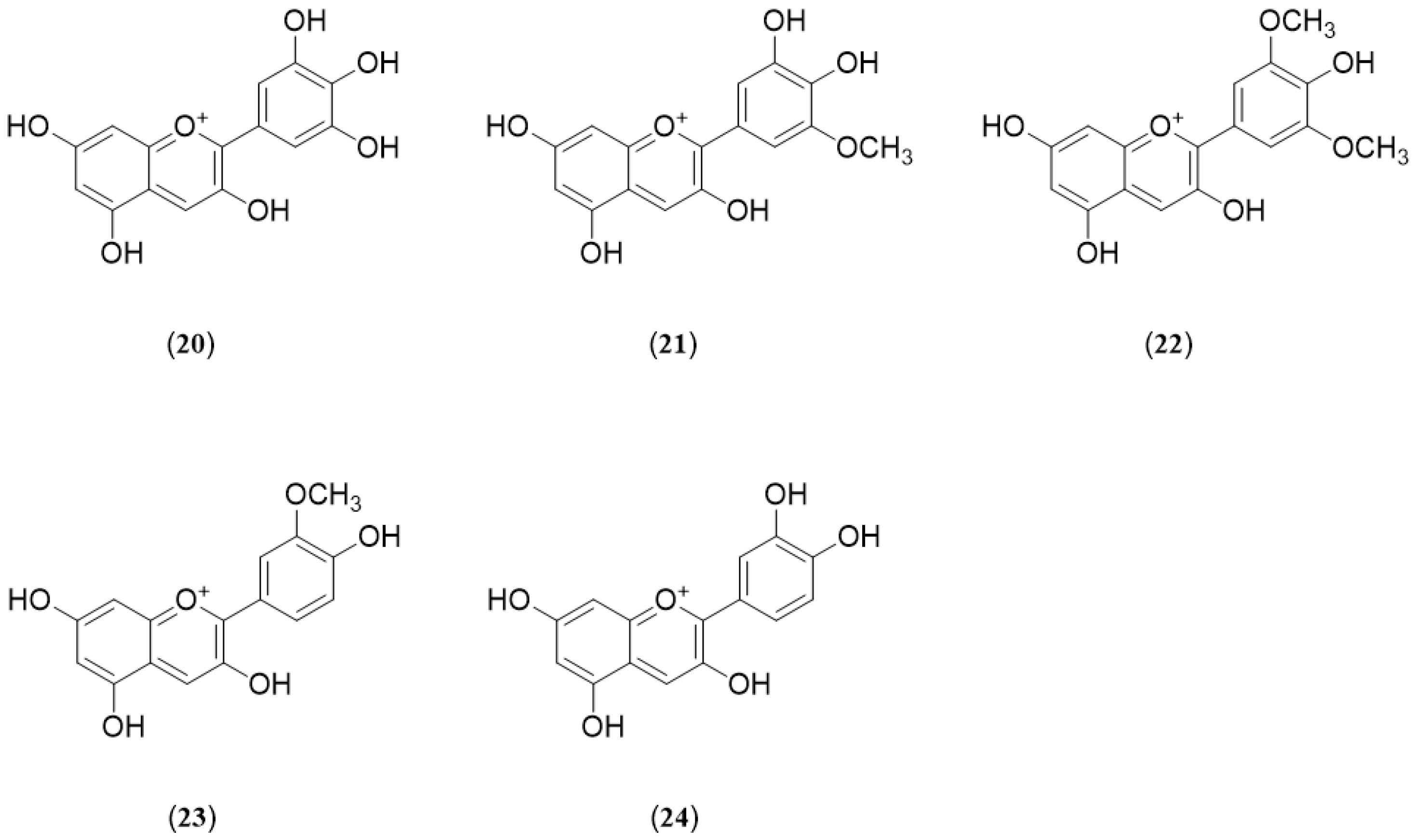
Figure 3.
Anthocyanins isolated from V. Arctostaphylos
.
Anthocyanins isolated from V. Arctostaphylos
Phenolic Acids
Phenolic acids are a large group of secondary metabolites commonly found in the Vaccinium genus, recognized for their strong antioxidant properties 47. These compounds are divided into two main groups: benzoic acid derivatives (HBAs), which include salicylic, gallic, vanillic, p-hydroxybenzoic, syringic, and protocatechuic acids; and hydroxycinnamic acid derivatives (HCAs), which include p-coumaric, ferulic, caffeic, and sinapic acids. Moreover, in plants, both types of phenolic acids typically exist in conjugated (ester, glycoside, and ester-bound) forms, while free forms are rarely found in living plants 48.
In 2005, Ayaz et al. conducted a study on the free, ester, glycoside, and ester-bound phenolic acids found in the fruits of V. arctostaphylos using HPLC-MS. They identified seven phenolic acids categorized as HBAs, including gallic acid (25), p-hydroxybenzoic acid (26), m-hydroxybenzoic acid (27), gentisic acid (28), syringic acid (29), and salicylic acid (30). Additionally, they found four phenolic acids classified as HCAs: p-coumaric acid (31), caffeic acid (32), ferulic acid (33), and sinapic acid (34). The results indicated that the main phenolic acids present in V. arctostaphylos fruit were caffeic acid (32), found in free and insoluble ester-bound forms, and p-coumaric acid (31), present in soluble ester and glycoside forms.49 In another study, Shamilov et al. identified four phenolic acids in the ethanolic extract of V. arctostaphylos leaves, including 4-O-caffeoylquinic acid (35), 5-O-caffeoylquinic acid (36), 4,5-Di-O- caffeoylquinic acid (37) and caffeic acid (32) (Figure 4). These phenolic compounds are suggested to have potential neuroprotective effects.39
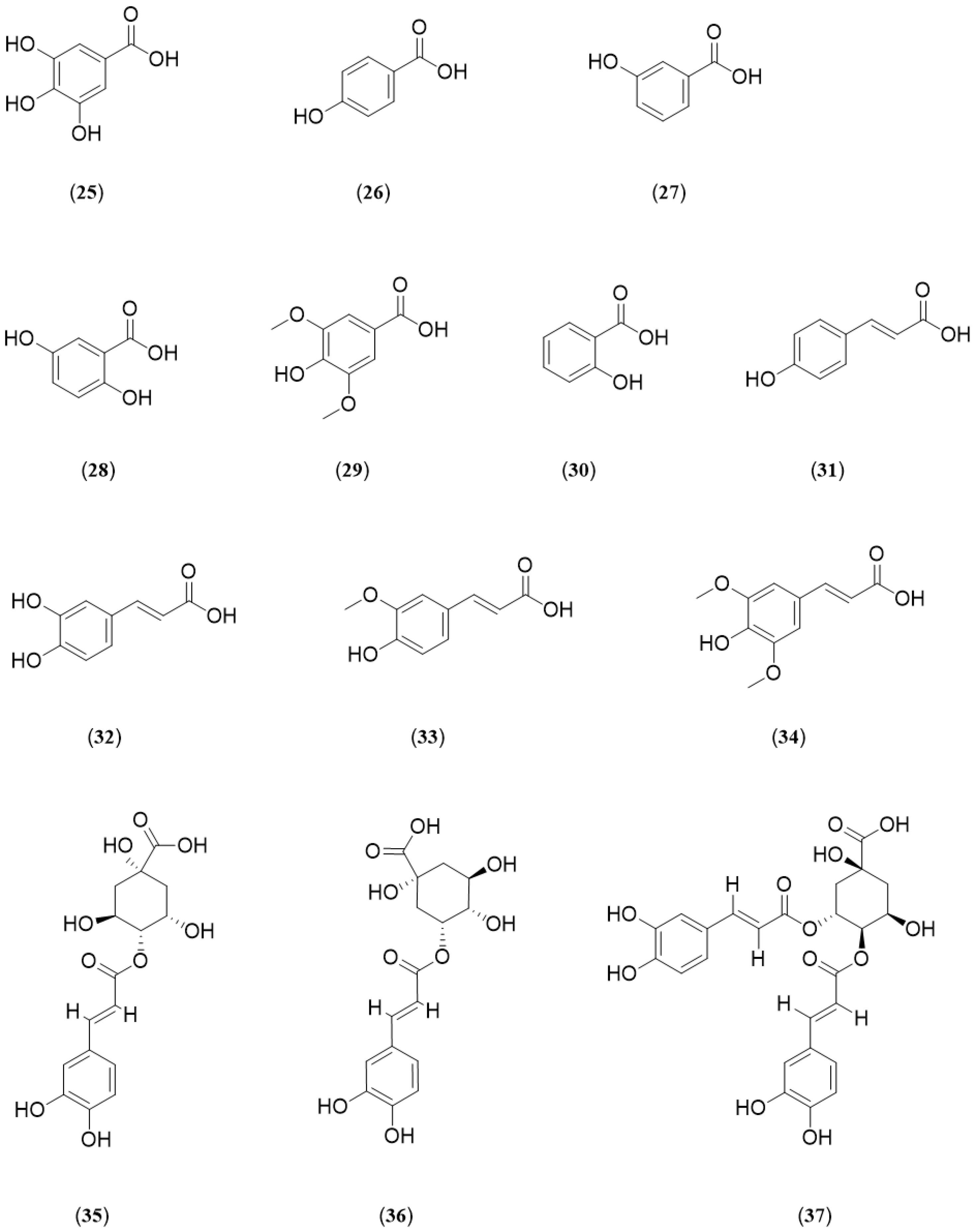
Figure 4.
Phenolic acids isolated from V. arctostaphylos
.
Phenolic acids isolated from V. arctostaphylos
Bioactivities and pharmaceutical applications
Anticancer
In 2022, the antitumorigenic effects of the hydroethanolic extract of both the fruit and callus of V. arctostaphylos on HCT-116 colorectal cancer cells were evaluated. The results indicated that dry callus at a concentration of 400 µg/ml increased the cancer cell death rate more than the air-dried fruit. This leads to the conclusion that the V. arctostaphylos which was collected from Iran and reveals notable cytotoxicity against cancer cells.34 In another in vitro study by Gharbavi et al., the green synthesis of selenium nanoparticles (SeNPs) from hydroethanolic extracts of fresh V. arctostaphylos fruit successfully inhibited the growth of 4T1 breast cancer cells without any toxic effects.50 In a recent study, Mohammadi-Aloucheh et al. analyzed the dose-dependent toxicity of the EXT/ZnO and EXT/ZnO/Ag10 samples on cancerous cells compared to the W/ZnO sample. They found that the EXT/ZnO/Ag10 demonstrated strong antiproliferative effects against the Michigan Cancer Foundation-7 (MCF-7) cell line. This effect may be linked to the induced oxidative stress in the cancer cells, the direct catalytic activity of ZnO and Ag, as well as the strong antioxidant properties of the phenolic compounds found in the aqueous extract of V. arctostaphylos fruit.51
In a 2024 study on a rat model of hepatocellular carcinoma (HCC), Zhou et al. investigated the protective effects of V. arctostaphylos fruit extract (VAFE) on hepatocytes exposed to N-diethyl nitrosamine (DEN)-induced HCC. Their findings showed that this hydroethanolic extract administration had dose-dependent effects, particularly at 400 mg/kg, which improved liver function indices, enhanced antioxidant status, and reduced levels of inflammatory cytokines in the HCC rats. Additionally, the hydroethanolic extract influenced the activity of certain genes and proteins involved in liver cancer progression by reducing the levels of HOTAIR and Notch1 while increasing the levels of miR-124. This adjustment helped to block the signaling pathway that HOTAIR typically activates, which is linked to cancer growth. This suggests that VAFE could be a promising treatment for liver cancer caused by DEN.28
Anti-diabetic
BARUT et al. performed a study to investigate the antidiabetic properties of ethanol extract (EE), methanol extract (ME), and aqueous extract (AE) from the fruits of V. arctostaphylos. The study found that the EE was the most effective in inhibiting α-glucosidase, an enzyme that catalyzes the breakdown of glycosidic bonds in oligosaccharides, leading to an increase in α-glucose and resulting in postprandial hyperglycemia. The IC50 value for the ethanol extract was measured at 0.301 ± 0.002 mg/mL.52 Additionally, Kardil et al. reported that the methanolic extract of the leaf parts of V. arctostaphylos exhibited higher α-glucosidase inhibitory activity compared to its fruits.27 A study by Nickavar et al. demonstrated that the methanolic extract of the leaves of V. arctostaphylos exhibits inhibitory effects on α-amylase enzyme activity. This enzyme plays a crucial role in hydrolyzing carbohydrates into glucose. The observed effects were related to the presence of the flavonoid quercetin in this plant.37
A 2011 study on alloxan-induced diabetic Wistar rats demonstrated that the hydroethanolic extract of V. arctostaphylos fruit could have antihyperglycemic effects. This is achieved through the inhibition of α-glucosidase activity in the intestines and the upregulation of insulin (INS) and glucose transporter type 4 (GLUT-4) gene expression in pancreatic and muscle tissues. Additionally, the extract improves the levels of antioxidant enzymes and the lipid profile, factors that are associated with diabetes.7 In another study, Kianbakht et al. proved that the oral administration of hydroethanolic extracts from whortleberry fruit and leaves at doses of 250, 500, and 1000 mg/kg significantly reduced fasting glucose and glycosylated hemoglobin (HbA1c) levels. Additionally, these extracts increased insulin levels without causing liver toxicity or altering SGOT, SGPT, and creatinine levels in diabetic rats.9 Other studies have compared the antidiabetic and antilipidemic properties of various extracts, including hydroethanolic (70% ethanol-water), carbon tetrachloride (CCl4), and dichloromethane, from unripe fruits of V. arctostaphylos in rats with streptozotocin-induced diabetes. They found that the CCl4 extract was more effective than the others in reducing blood glucose and lipid levels. This effectiveness may be attributed to its high content of phenolic compounds, which contribute to its hypoglycemic and hypolipidemic properties. However, further studies are needed to find out the exact mechanisms involved.12
Additionally, Bayrami et al. evaluated the effectiveness of zinc oxide (ZnO) nanoparticles by incorporating an aqueous extract from whortleberry leaves. They reported that this novel approach could reduce fasting blood sugar (FBS) levels, increase insulin levels, and improve the lipid profile by decreasing triglyceride (TG) levels and increasing high-density lipoprotein (HDL) levels in rats.53
Recent research investigated the antidiabetic activity and effects of V. arctostaphylos fruit ethanolic extract (VAE) on biochemical and molecular processes in the livers of diabetic rats. The researchers found that administering VAE at a dosage of 400 mg/kg improved several clinical parameters, including food and water intake, body weight gain, and blood glucose levels in the rats.
Additionally, VAE increased insulin and serum adiponectin levels, which play vital roles in modulating insulin resistance. It also resulted in a decrease in serum free fatty acids (FFA) and ROS levels compared to normal rats. The study demonstrated that VAE has potential effects on regulating hepatic carbohydrate metabolic enzymes by increasing the activity of glucokinase (GK) and glucose-6-phosphate dehydrogenase (G6PD). A decrease in GK activity is associated with insulin deficiency, while a reduction in G6PD activity makes cells more vulnerable to oxidative stress. Furthermore, VAE decreased the activity of glucose-6-phosphatase (G6Pase) and fructose-1,6-bisphosphatase (FBPase), which are key enzymes that regulate gluconeogenesis. The results also indicated that VAE led to an increase in hepatic glycogen levels.
The study further evaluated the expression of key genes involved in glucose and lipid metabolism, such as IRS1 (a crucial element in insulin signaling pathways) and GLUT2 (the major glucose transporter in pancreatic beta cells and hepatocytes). It was found that VAE diminished the expression of peroxisome proliferator-activated receptor gamma (PPAR-γ) and sterol regulatory element binding protein 1c (SREBP1c), which are involved in regulating fatty acid synthesis in the liver. Additionally, VAE significantly enhanced the expression of miR-27b, which regulates important genes involved in hepatic lipid metabolism in diabetic rats. Moreover, VAE administration exhibited anti-inflammatory activity by reducing serum and hepatic tumor necrosis factor-α (TNF-α) levels.54
In a study conducted by Piralaiy et al., it was reported that eight weeks of aerobic training, both on its own and in combination with hydroethanolic extract of the fruit of Qaraqat, led to significant improvements in metabolic and oxidative stress parameters in the heart tissue of diabetic rats. The researchers found that these interventions resulted in a marked reduction in blood glucose levels, insulin resistance, and malondialdehyde (MDA) levels, indicating decreased lipid peroxidation and oxidative stress. Furthermore, there was a notable increase in the activity of antioxidant enzymes, including superoxide dismutase (SOD) and glutathione peroxidase (GPx), as well as an overall rise in total antioxidant capacity (TAC). This suggests that the interventions enhanced the antioxidant defenses in the rats. Based on these findings, the combination of aerobic training and Qareqat extract exhibited synergistic anti-diabetic effects in the rats.11
Antioxidant
A study found that the leaves and fruits of V. arctostaphylos may be a potential source of antioxidant compounds due to the correlation between antioxidant effects and total phenolic, anthocyanin, and flavonoid contents 47. Additionally, BARUT et al. investigated the antioxidant effects of various extracts from the fruits of this plant using the 2,2-diphenyl-1-picrylhydrazyl (DPPH) assay, the metal chelating radical scavenging assay, and the ferric ion reducing antioxidant power (FRAP). Their findings indicated that the ethanolic extract contained the highest levels of total phenolics, anthocyanins, and flavonoids, and it indicated significant antioxidant effects compared to the other extracts 52. Moreover, a study by Kardil et al. evaluated the FRAP and DPPH assays regarding methanolic extracts from the leaves and fruits of V. arctostaphylos. The results showed that the leaf extract exhibited the highest antioxidant activity that related to the total phenolic and flavonoid content of the extracts.27
In a separate in vitro study conducted by Mahboubi et al., it was demonstrated that the ethyl acetate extract of fruits and leaves exhibited the most significant antioxidant effects. The fruits’ ethyl acetate extract had the highest total phenolic content, measuring 164.9 mg GAC/g, while the leaves’ ethyl acetate extract had the highest total flavonoid content, at 60.1 mg QE/g.35
DNA protective
In 2019, a study examined the protective effects of various extracts from V. arctostaphylos fruits on DNA damage caused by Fenton’s reagent (FeSO4 and H2O2) and hydroxyl radicals. Researchers used supercoiled pBR322 plasmid DNA (form I) and found that exposure to Fenton’s reagent converted form I to nicked pBR322 plasmid DNA (form II). Increasing the concentration of the extracts led to a decrease in form II and an increase in form I. The ethanolic extract was particularly effective in protecting DNA by inhibiting form II, likely due to its antioxidant properties.52
Antimicrobial
In 2013, Mahboubi et al. evaluated the antimicrobial activity of V. arctostaphylos to compare the effects of different types of extracts from its leaves and fruits, measuring their minimum inhibitory concentration (MIC) and minimum lethal concentration (MLC) values against bacteria, fungi, and yeast. They found that the ethyl acetate extract from the fruit had a high total phenolic and flavonoid content but exhibited lower antimicrobial activity compared to the other extracts. In contrast, the methanolic extract from the fruit demonstrated the highest antimicrobial activity. This suggests that there may be other unknown components responsible for the antimicrobial properties of V. arctostaphylos, warranting further studies to confirm these findings.35
In another study, the antimicrobial activity of essential oils and hydroalcoholic extracts derived from the aerial parts of V. arctostaphylos was evaluated. The results indicated that the essential oils of V. arctostaphylos exhibited significant antibacterial activity against most of the tested bacteria. In contrast, the hydroalcoholic extract showed no antibacterial activity. This difference seems to be related to the presence of compounds such as α-Pinene, Linalool, Sandaracopimaradiene, and Safranal in the essential oils.33
Kardil et al. investigated the antimicrobial and antibiofilm activities of methanolic extracts from the leaves and fruit parts of V. arctostaphylos against the antibiotic-resistant clinical isolate Acinetobacter baumannii(A. baumanii). They reported that the MIC value for the fruit part was 3.125 mg/mL, which is lower than the MIC value for the leaf part at 6.25 mg/mL. Additionally, the results indicated that the leaf extract significantly reduced the biofilm-forming capacity of the A. baumannii isolate by approximately 3-fold, while the fruit extract only marginally affected this capacity, reducing it by about 1.4-fold. Therefore, the leaf part demonstrates greater antibiofilm activity than the fruit part.27
Bayrami et al. conducted an in vitro study to evaluate the antibacterial activity of ZnO nanoparticles synthesized with and without whortleberry leaf aqueous extract. The nanoparticles were tested at concentrations ranging from 0.05 to 0.8 mg/mL against Staphylococcus aureus (S. aureus) and Escherichia coli (E. coli). The results showed that both ZnO samples had a similar MIC of 0.8 mg/mL against E. coli. However, the ZnO nanoparticles synthesized with whortleberry leaf extract demonstrated a stronger ability to inhibit the growth of the gram-positive bacterium S. aureus.53
In a study conducted by Mohammadi-Aloucheh et al., the antibacterial effects of ZnO nanoparticles and ZnO/CuO nanocomposites were evaluated using an aqueous extract of V. arctostaphylos fruit against E. coli and S. aureus. The researchers found that the ZnO/CuO (10%) nanocomposite exhibited the highest antibacterial activity, as it caused lysis in the cell membranes of the bacteria. They also demonstrated that the antibacterial activity of the ZnO/CuO nanocomposites depended on the concentration of copper oxide (CuO); as the concentration of this nanoparticle increased, so did the antibacterial properties. In contrast, they noted that the ZnO (water) sample displayed the weakest antibacterial activity among the samples tested. Additionally, the study showed that the antibacterial activity of the ZnO/CuO (10%) nanocomposite against E. coli was greater than that observed for S. aureus.55
In another study, Mohammadi-Aloucheh et al. investigated the antibacterial effects of green-synthesized ZnO and ZnO/Ag samples using the aqueous extract of V. arctostaphylos fruit against E. coli and S. aureus. They reported that among all the samples tested, the EXT/ZnO/Ag10 nanocomposite demonstrated significant antibacterial activity against both bacteria, particularly E. coli. They also observed that the Ag sample prepared in water (W/Ag) and the EXT/ZnO/Ag5 sample could effectively target these bacteria as well. These results highlighted the crucial role of silver and zinc in disrupting bacterial cell walls, along with the presence of various phytochemicals in the extract. Furthermore, they reported that the EXT/ZnO/Ag10 nanocomposite had destructive effects on the E. coli genome as observed on a 1% agarose gel.54
Antihypertensive
Khalili et al. examined the hypotensive effects of V. arctostaphylos leaf aqueous extract in a two-kidney, one-clip hypertension rat model. They found that a dose of 75 mg/kg significantly lowered mean blood pressure at 20, 40, and 60 minutes after administration, while doses of 10 and 25 mg/kg had no effect. Heart rate remained unchanged. The exact mechanism of the extract’s hypotensive action requires further investigation.56
Other health effects
Barut et al. reported that the ethanolic extract from the fruits of V. arctostaphylos demonstrated potential anti-inflammatory activity by reducing formalin-induced edema at both doses (100 mg/kg and 300 mg/kg) at 60 and 120 minutes. This finding suggests that the EE of V. arctostaphylos may significantly contribute to the prevention of inflammatory responses.52
Gentamicin is an antibiotic belonging to the aminoglycoside family, known to cause acute renal impairment and nephrotoxicity. Research indicates that the oxidative injury induced by gentamicin can be mitigated by using a hydroethanolic extract of V. arctostaphylos fruit, which contains antioxidant compounds. When administered at a dose of 400 mg/kg, this extract significantly decreased serum levels of blood urea nitrogen (BUN), creatinine (Cr), and serum urea compared to the positive control group that received only gentamicin. Furthermore, the extract contributed to an increase in the volume of various renal structures, including the proximal convoluted tubules, distal convoluted tubules, loop of Henle, and renal glomeruli. In contrast, it significantly reduced the volume of renal blood vessels and interstitial tissue. Additionally, the extract demonstrated protective effects against nephrotoxicity by decreasing tubular degeneration, lymphocytic infiltration, and the formation of casts.57
A recent study reported that the hydromethanolic extract of fully ripened fruits of V. arctostaphylos has a potential hepatoprotective effect against carbon tetrachloride-induced liver fibrosis. This effect is achieved by improving hepatic inflammation and fibrogenesis. The study found that the extract could inhibit increases in liver biochemical parameters such as aspartate transaminase (AST), alanine transaminase (ALT), and alkaline phosphatase (ALP) at doses of 400 and 600 mg/kg body weight. Additionally, the extract was shown to reduce levels of pro-inflammatory mediators, including tumor necrosis factor alpha (TNF-α) and NF-κB or (p65), as well as the concentration of nitric oxide (NO) in rats. Both TNF-α and NO can stimulate and activate hepatic stellate cells (HSCs), leading to excessive extracellular matrix (ECM) production. During fibrosis, activated HSCs express the alpha-smooth muscle actin (α-SMA) marker, and the results indicated that the mRNA expression of α-SMA was significantly reduced with extract administration. Furthermore, the extract suppressed the fibrogenic process by downregulating the mRNA expression of pro-fibrotic cytokines, including transforming growth factor-beta (TGF-β1) and transforming growth factor-beta receptor II (TGF-βRII), as well as matrix metalloproteinases (MMP-2 and MMP-9). It also decreased the production of hydroxyproline and sulfated glycosaminoglycans (sGAG), which are useful markers for evaluating hepatic collagen accumulation and indicating fibrotic effects in the liver.38
An in vivo study demonstrated that the hydroethanolic extract of V. arctostaphylos fruit has protective effects against oxidative damage to the liver and kidneys induced by oxymetholone (OM). The results indicated that administering a dose of 400 mg/kg of the fruit extract resulted in an increase in body weight (BW) and a decrease in liver weight (LW) and kidney weight (KW). Both the 200 mg/kg and 400 mg/kg doses of the fruit extract reduced biochemical liver parameters, including total bilirubin (BIL), liver enzymes, total protein (TP), and albumin (ALB). Furthermore, the extract improved kidney function by lowering indicators such as BUN and Cr. The extract exhibited antioxidant properties by enhancing the activities of GPx and SOD while also reducing serum NO levels. Additionally, the fruit extract showed a dose-dependent improvement in the normal structure of both the kidneys and liver. It further lowered the rate of apoptosis by increasing the percentage of B-cell lymphoma 2 (Bcl-2) positive cells and decreasing the percentage of p53 positive cells. The results of this study indicate that the fruit extract of V. arctostaphylos protects the liver and kidneys from damage through its antioxidant and anti-apoptotic properties.58
Shamilov et al. conducted research to compare the neuroprotective effects of V. arctostaphylos and V. myrtillus. They found that the hydroethanolic extracts from the leaves of V. arctostaphylos were more effective than those from V. myrtillus in increasing cerebral blood flow and reducing areas of brain necrosis. Additionally, the extracts decreased lipo-oxidative processes, as indicated by lower levels of TBARS (which are formed as a byproduct of lipid peroxidation), by enhancing the activity of antioxidant enzymes such as SOD, Succinate Dehydrogenase (SDH), and Cytochrome-C-Oxidase (COX).39
In another in vivo study, the administration of V. arctostaphylos seed oil (VASO) at doses of 200 mg/kg and 400 mg/kg demonstrated potential neuroprotective effects in rat models of cerebral ischemic stroke-reperfusion (CIS/R). The results indicated that VASO, particularly at the higher dose of 400 mg/kg, improved cognitive impairments and resulted in better performance on the maze test compared to the IS/R group. Additionally, the VASO-treated group exhibited significantly reduced levels of pro-inflammatory cytokines such as interleukin-1-beta (IL-1β), interleukin-6 (IL-6), and TNF-α. In contrast, levels of anti-inflammatory cytokines (interleukin-4 (IL-4) and interleukin010 (IL-10)) and neurotrophic growth factors (brain-derived neurotrophic factor (BDNF) and glial cell line derived neurotrophic factor (GDNF)) were notably increased. VASO at 400 mg/kg also led to a marked decrease in the expression of apoptosis-related proteins (glucose-regulated protein 78 (GRP78), activating transcription factor 6 (ATF-6), p53 and Bax) in the brains of treated rats, while the expression of Bcl-2 was significantly increased compared to the IS/R group. Furthermore, VASO demonstrated antioxidant effects by increasing the activities of antioxidant enzymes GPx, CAT, and SOD, particularly at the 400 mg/kg dose, while serum NO levels were decreased at both 200 mg/kg and 400 mg/kg. According to the findings, VASO exhibited neuroprotective effects due to its anti-inflammatory, anti-apoptotic, and antioxidant properties, which are attributed to its flavonoid and phenolic content.59
In 2020, Akbari Bazm et al. performed an in vivo study to evaluate the protective effects of V. arctostaphylos against testicular toxicity caused by oxidative stress. Using a BALB/c mice model, the hydroethanolic extract of V. arctostaphylos fruit was administered at doses of 100, 200, and 400 mg/kg. The results indicated that the extract reduced serum testosterone levels, increased levels of luteinizing hormone (LH) and follicle-stimulating hormone (FSH), and improved various sperm parameters, including motility, viability, and sperm count. Additionally, the extract lowered the apoptosis rate by upregulating Bcl-2 mRNA and downregulating p53, Bax, and caspase-3 mRNA. Moreover, the 400 mg/kg dose of this extract decreased serum NO levels while increasing thiobarbituric acid reactive substances (TBARS), FRAP, and MDA levels in testicular tissue. Therefore, it can be concluded that this extract regulates oxidative stress, apoptosis, and inflammatory pathways, providing protective effects on the reproductive system.60 The pharmacological activities of V. arctostaphylos are summarized in Table 1.
Table 1.
Pharmacological Properties and Assessment Methods of V. arctostaphylos
|
Effect
|
Extract/compounds
|
Tested living system/organ/cell
|
Result(s)
|
Ref.
|
Anticancer
activity |
Hydroethanolic extract
(70% Ethanol) |
HCT-116 colorectal cancer cell line |
1) Dry callus of V. arctostaphyloshad the most antitumorigenic effects on HCT-116 cells. |
34
|
| Hydroethanolic extract (70% Ethanol) + SeNPs |
4T1 breast cancer cells |
1) The green synthesized SeNPs inhibited the growth of 4T1 breast cancer cells. |
50
|
Aqueous extract + ZnONPs
Water + ZnONPs
EXT/ZnO/Ag5, EXT/ZnO/Ag10 composites |
In vitro assay |
1) The EXT/ZnO/Ag10 nanocomposite demonstrated greater anticancer activity against the MCF-7 cell line compared to the other samples. |
51
|
Hydroethanolic extract
(70% Ethanol) |
Male Wistar rats |
1) This extract demonstrated improvement in BW, LW, antioxidant capacity, liver enzymes, and inflammatory factors in rats with hepatocellular carcinoma.
2) Additionally, it regulated the gene and protein expressions associated with HCC progression by downregulating HOTAIR and Notch1, while upregulating miR-124. |
28
|
| Anti-diabetic activity |
Ethanolic extract, methanolic extract, and aqueous extract |
In vitro assay |
1) EE and ME exhibited non-competitive α-glucosidase inhibitory activity with IC50 values of 0.301 ± 0.002 mg/mL and 0.477 ± 0.003 mg/mL, respectively, while AE acted as a competitive inhibitor.
2) The α-glucosidase inhibitory properties of the extracts were in the following order: EE > ME > AE. |
52
|
| Methanolic extract |
In vitro assay |
1) The leaf extract had the highest α-glucosidase inhibitory activity with an IC50; 0.179 mg/mL. |
27
|
| Methanolic extract |
In vitro assay |
1) The methanol extract from the leaves showed a dose-dependent inhibitory activity against α-amylase. |
37
|
| Ethanolic extract |
Alloxan- induced diabetic Wistar rats |
1) This extract demonstrated an antihyperglycemic effect by decreasing PBG and serum TG levels. Additionally, it increased the expression of the INS and GLUT4 genes.
2) Furthermore, it reduced oxidative damage by activating antioxidant enzymes such as GPx, CAT, and SOD activities. |
7
|
Hydroethanolic extract
(70% Ethanol) |
Alloxan-induced diabetic Wistar rats |
1) This extract reduced fasting glucose and HbA1c levels while increasing insulin levels without causing liver toxicity, with the LD50s of the extracts being greater than 15 g/kg. |
9
|
| Hydroethanolic (70% ethanol–water), carbon tetrachloride, and dichloromethane extract |
Male Wistar rats |
1) All extracts, particularly the carbon tetrachloride extract, significantly reduced blood glucose levels. |
12
|
| Aqueous extract + ZnONPs |
Male Wistar rats |
1) nanoparticles could reduce the FBS level and increase the level of insulin in alloxan-diabetic rats. |
53
|
| Ethanolic extract |
Male Wistar rats |
1) VAE could reduce the abnormalities associated with diabetes and improve liver histoarchitecture by enhancing the activity of hepatic carbohydrate metabolizing enzymes, increasing glycogen content, and regulating the expression of genes involved in glucose and lipid homeostasis in the liver. |
54
|
Hydroethanolic extract
(70% Ethanol) |
Male Wistar rats |
1) The combination of aerobic training with Qaraqat supplementation and separately had useful effects on diabetes and antioxidant parameters. |
11
|
Hydroethanolic extract
(70% Ethanol) |
A randomized double-blind placebo-controlled clinical trial on 37 patients with type 2 diabetes |
1) The hydroalcoholic extract reduced the blood levels of fasting glucose, 2-h postprandial glucose, and HbA1c without adverse effects |
9
|
Hydroethanolic extract
(70% Ethanol) |
A randomized, double-blind and placebo-controlled clinical trial on 103 hypertensive hyperlipidemic type 2 diabetic outpatients |
1) The extract decreased the blood levels of fasting glucose, 2-hr postprandial glucose, HbA1c compared to those of the placebo group at the endpoint. |
36
|
| Anti-hyper lipidemic activity |
Hydroethanolic (70% ethanol), carbon tetrachloride, and dichloromethane extract |
Male Wistar rats |
1) All extracts, particularly the carbon tetrachloride extract, significantly reduced lipid levels. |
12
|
| Aqueous extract + ZnONPs |
Male Wistar rats |
1) The in cooperation of ZnO and extract could improve lipid profile by decreasing the TG levels and increasing the HDL levels in rats. |
53
|
Hydroethanolic extract
(ethanol/water (70% Ethanol) |
A Randomized Double-Blind Placebo-Controlled Clinical Trial on 40 patients with hyperlipidemic |
1) The extract improved the lipid profile by lowering total cholesterol, TG, and LDL-C levels while increasing HDL-C levels without any adverse effects. |
21
|
Hydroethanolic extract
(70% Ethanol) |
A randomized, double-blind and placebo-controlled clinical trial on 103 hypertensive hyperlipidemic type 2 diabetic outpatients |
1) The extract enhanced the lipid profile through reducing total cholesterol, TG, and LDL-C levels compared to those of the placebo group at the endpoint. |
36
|
Hydroethanolic extract
(70% Ethanol) |
A Randomized, Double-Blind, Placebo-Controlled Clinical Trial on 50 hyperlipidemic patients |
1) The ethanolic extract reduced total cholesterol, TG, LDL-C, and MDA levels, while didn’t have effect on HDL-C and hs-CRP levels. |
61
|
| Antioxidant activity |
Ethanolic extract, methanolic extract, and aqueous extract |
In vitro assay |
1) EE exhibited the highest antioxidant activity in the DPPH radical scavenging assay (SC50: 0.141 ± 0.009 mg/mL), the metal chelating radical scavenging assay (0.453 ± 0.007 mg/mL), and the FRAP assay (62.06 ± 2.13 mg BHAE/g dry weight). In comparison, AE showed the lowest activities in all three assays. |
52
|
| Aqueous, methanolic, ethyl acetate and hydroethanolic (70% Ethanol) extract |
In vitro assay |
1) The IC50 values for the antioxidant evaluation of the extracts were ranked in the following order: fruits methanol, and leaves ethyl acetate extracts (35 μg/ml) > leaves ethanol extract (25 μg/ml) > fruits ethyl acetate extract (15.6 μg/ml). |
35
|
| Methanolic extract |
In vitro assay |
1) The leaf extract exhibited the highest antioxidant activity, as evidenced by the FRAP and DPPH radical scavenging assays, yielding values of 53 µM TEAC and 8.4 µg/mL SC50. |
27
|
| DNA protective effects |
Ethanolic extract, methanolic extract, and aqueous extract |
In vitro assay |
1) All extracts especially EE provided substantial protection for supercoiled plasmid pBR322 DNA against damage induced by Fenton’s reagents. |
52
|
| Antimicrobial activity |
Aqueous, methanolic, ethyl acetate and hydroethanolic (70% Ethanol) extract |
In vitro assay |
1) The Antimicrobial properties of the extracts were in the following order: fruits methanol extract > fruits and leaves aqueous extracts > fruits ethyl acetate extract. |
35
|
| Essential oils and hydroalcoholic extract |
In vitro assay |
1) The essential oil of V. arctostaphylos demonstrated significant antibacterial activity against a majority of tested bacteria, whereas the hydroalcoholic extract did not exhibit any antibacterial effects. |
33
|
| Methanolic extract |
The antibiotic-resistant clinical isolate A. baumanii |
1) The leaf extract decreased the biofilm-forming capacity of the A. baumaniimore thanthe fruit extract.
2) The leaf extract had higher antimicrobial activity than the fruit extract. |
27
|
| Aqueous extract + ZnONPs |
In vitro assay |
1) nanoparticles strongly prevented the growth of gram-positive bacteria (S. aureus) |
53
|
Aqueous extract + ZnONPs
DDW + ZnONPs
ZnO/CuO (10%) nanocomposites
ZnO/CuO (5%) nanocomposites
ZnO nanoparticles |
In vitro assay |
1) The antibacterial properties of the samples were in the following order: ZnO/CuO (10%) > ZnO/CuO (5%) > ZnO (ext) > ZnO (W) |
55
|
Aqueous extract + ZnONPs
Water + ZnONPs
EXT/ZnO/Ag5, EXT/ZnO/Ag10 composites |
In vitro assay |
1) The green-synthesized EXT/ZnO/Ag10 sample demonstrated significant antibacterial activity against both E. coli and S. aureus in comparison with other samples.
2) This sample also showed great destructive effects on E. coli genome. |
51
|
Antihypertensive
activity |
Aqueous extract |
Male Sprague-Dawley rats |
1) The aqueous extract of V. arctostaphylos leaves at 75 mg/kg had hypotensive activity at 20, 40 and 60 minutes after administration, but it didn’t cause a change in heart rate. |
56
|
Hydroethanolic extract
(70% Ethanol) |
A randomized, double-blind and placebo-controlled clinical trial on 50 overweight/obese hypertensive patients |
1) The extract lowered both systolic and diastolic blood pressure without any side effects or adverse interactions with other antihypertensive medications. |
62
|
Hydroethanolic extract
(70% Ethanol) |
A randomized, double-blind and placebo-controlled clinical trial on 103 hypertensive hyperlipidemic type 2 diabetic outpatients |
1) The extract reduced systolic and diastolic blood pressures compared to those of the placebo group at the endpoint without any adverse effects. |
36
|
| Anti- inflammatory activity |
Ethanolic extract, methanolic extract, and aqueous extract |
Male Balb/c mice |
1) EE reduced the formalin-induced edema in rats when administered at doses of 100 and 300 mg/kg. |
52
|
| Protective effect in gentamicin induced nephrotoxicity |
Hydroethanolic extract
(70% Ethanol) |
Male Wistar rats |
1) The fruit extract strongly improved the serum urea and creatinine, sodium ion, and factors such as volume of renal tubules, blood vessels, and volume and number of glomeruli.
2) The 400 mg/kg dose of the extract exhibited the highest effectiveness. |
57
|
Anti-fibrotic activity
(hepatoprotective) |
Hydromethanolic extract
(75% methanol) |
Male Wistar rats |
1) The extract reduced the -induced increase in liver function enzymes in serum and improved histopathological architecture, inflammation, and fibrosis. The results of this study showed that V.a inhibited HSC activation and decreased ECM production. |
38
|
| hepato-renal protective activity |
Hydroethanolic extract
(70% Ethanol) |
BALB/c mice |
1) The LD50 of V. arctostaphylos fruit extract was found to be 1732 mg/kg.
2) This fruit extract improved liver enzyme levels, kidney function, and regulated antioxidant and anti-apoptotic mechanisms in mice. |
58
|
Neuroprotective
activity |
Hydroethanolic extract
(70% Ethanol) |
Male Wistar rats |
1) The positive effects of V.a were stronger than V.m in improving cerebral hemodynamic, reducing necrotic events, and decreasing the lipoxidative process in the brain through its ability to increase antioxidant enzymes. |
39
|
|
V. arctostaphylos seeds oil (VASO) |
Male Wistar rats |
1) VASO reduced hemorrhage volume and enhance behavioral outcomes in CIS/R rat models by modulating inflammation, apoptosis, and oxidative stress factors. |
59
|
| Protective effect in oxymetholone induced testicular toxicity |
Hydroethanolic extract
(70% Ethanol) |
BALB/c mice |
1) This hydroalcoholic extract enhanced the reproductive damage caused by OM by regulating the ROS system, decreasing NO levels, increasing testicular FRAP and MDA levels, and normalizing sex hormone levels such as LH, FSH, and testosterone. |
66
|
Abbreviation: HCT-116 - Colorectal cancer cells (HCT-116), SeNPs - Selenium nanoparticles (SeNPs), 4T1 - Breast cancer cells (4T1), MCF-7 - Michigan cancer foundation-7 (MCF-7), BW - Body Weight (BW), LW - Liver Weight (LW), HCC - Hepatocellular carcinoma (HCC), HOTAIR - an oncogenic non-coding RNA (HOTAIR), Notch1 - a Protein Coding gene (Notch1), miR-124 - a specific type of small single-stranded RNA molecule (miR-124), EE - Ethanol extract (EE), ME - Methanol extract (ME), AE - Aqueous extract (AE), IC50 - Half-maximal inhibitory concentration (IC50), PBG - Postprandial blood glucose (PBG), TG - Triglyceride (TG), INS – Insulin (INS), GLUT4 - Glucose transporter type 4 (GLUT4), GPx - Glutathione peroxidase (GPx), CAT – Catalase (CAT), SOD - Superoxide dismutase (SOD), HbA1c - Glycosylated hemoglobin (HbA1c), LD50 - Lethal dose 50 (LD50), ZnONPs - ZnO nanoparticles (ZnONPs), - ZnO nanoparticles with in corporating the extract (ZnOext), FBS - Fasting blood sugar (FBS), VAE - V. arctostaphylos fruit ethanolic extract (VAE), HDL - High-density lipoproteins (HDL), LDL-C - Low-density lipoprotein-cholesterol (LDL-C), HDL-C - High-density lipoprotein-cholesterol (HDL-C), MDA - Malondialdehyde (MDA), hs-CRP - high-sensitivity C-reactive protein (hs-CRP), DPPH - 2,2-Diphenyl-1-picrylhydrazyl (DPPH), SC50 -Drug concentration eliciting 50% of the maximum stimulation (SC50), FRAP - Ferric reducing antioxidant power (FRAP), BHAE - Butylated hydroxyanisole equivalents (BHAE), TEAC - Trolox Equivalent Antioxidant Capacity (TEAC), pBR322 DNA - First-generation E. coli vector for DNA cloning (pBR322 DNA), v/v - volume/volume percentage (v/v), A. baumanii - Acinetobacter baumannii (A. baumanii), S. aureus - Staphylococcus aureus (S. aureus), DDW - Double distilled water (DDW), CuO - Copper oxide (CuO), - Carbon tetrachloride (CCl4), V.a – Vaccinium. Arctostaphylos (Va), HSC - Hepatic stellate cell (HSC), ECM - Extracellular matrix (ECM), V.m - V. myrtillus (V.m), VASO - V. arctostaphylos seeds oil (VASO), CIS/R - Cerebral ischemic stroke-reperfusion (CIS/R), OM - Oxymetholone (OM), ROS - Reactive oxygen species (ROS), NO - Nitric oxide (NO), LH - Luteinizing hormone (LH), FSH - Follicle-stimulating hormone (FSH), mg - milligram (mg), ml - milliliter (ml), g – gram (g), kg – kilogram (kg), μg - micrograms (μg), μM – micromole (μM).
Clinical trials
Type 2 diabetes
A study was conducted involving 37 patients aged 40 to 60 years with type 2 diabetes. These patients were treated with a hydroethanolic extract of whortleberry fruit (1 capsule containing 350 mg, taken every 8 hours for 2 months) in combination with anti-hyperglycemic medications. The results indicated that the whortleberry extract could enhance the effectiveness of conventional diabetes medications, demonstrating greater anti-hyperglycemic effects than the traditional drugs alone. At the conclusion of the study, the extract was shown to significantly reduce blood levels of fasting glucose, 2-hour postprandial glucose, and HbA1c when compared to baseline measurements. Importantly, there were no significant changes observed in the levels of SGOT, SGPT, or creatinine in the patients.9
Dyslipidemia
Two randomized, double-blind, placebo-controlled clinical trials involving 40 patients with hyperlipidemia, as well as 103 outpatients with hypertension, hyperlipidemia, and type 2 diabetes, demonstrated that a capsule containing a standardized 350 mg of the berry hydroethanolic extract powder can improve lipid profiles. Participants taking the extract showed reductions in total cholesterol, triglycerides, and low-density lipoprotein-cholesterol (LDL-C) levels compared to the placebo group.21,36
In another randomized study, it was found that patients who took hydroethanolic extract of ripe V. arctostaphylos berries in capsules containing 45 ± 2 mg of anthocyanins experienced a reduction in total cholesterol, triglycerides, LDL-C, and MDA levels. However, there was no effect on high-density lipoproteins (HDL) or high-sensitivity C-reactive protein (hsCRP) levels, which are indicators of inflammation.61
Hypertension
Kianbakht et al. reported that a three-month intake of a capsule containing 400 mg of the berry hydroethanolic extract powder, taken three times daily, lowered systolic blood pressure (SBP) and diastolic blood pressure (DBP) in 50 overweight or obese hypertensive patients without any side effects or adverse interactions with other antihypertensive medications.62
In another clinical trial, it was observed that the administration of 350 mg of a standardized plant leaf hydroethanolic extract capsule, taken three times daily for two months, also resulted in decreased systolic and diastolic blood pressures, along with improvements in diabetic factors like the blood levels of fasting glucose, 2-h postprandial glucose, and HbA1c, in 103 hypertensive hyperlipidemic type 2 diabetic outpatients.36 The clinical studies about the therapeutic effects of V. arctostaphylos are summarized in Table 1.
Comparative Analysis of V. arctostaphylos and Related Species
Some studies show that V. arctostaphylos shares several similar phytochemicals with its more commonly known relatives, particularly V. myrtillus and V. corymbosum; on the other hand, several differences in concentration and composition have been reported. A comparative study in Turkey investigated the antioxidant activity of two wild species (V. arctostaphylos and V. myrtillus) versus one cultivated species (V. corymbosum) of blueberries. It was found that both wild species had higher levels of total phenolics, flavonoids, and anthocyanins than the cultivated blueberries, leading to greater antioxidant activity, measured by methods like CUPRAC (CUPric Reducing Antioxidant Capacity), FRAP, and DPPH. Among the wild species, V. myrtillus was the strongest antioxidant, with the highest anthocyanin content and highest ferric-reducing power. V. arctostaphylos, while slightly less effective in some areas, had a high phenolic content and strong ability to scavenge radicals.63 Another research paper has reported that V. myrtillus and V. arctostaphylos leaves are both exceptional sources of phenolic compounds, namely hydroxycinnamates, and flavonoids. The compound 5-O-caffeoylquinic acid is the most abundant among them and its concentration varies from approximately 105 to 226 mg/g. Moreover, the analysis showed that V. myrtillus has larger amounts of quercetin-3-O-glucoside, while V. arctostaphylos exclusively possesses quercetin-3-O-rutinoside and an acetylated glucoside. The research also revealed that the extracts from both types of leaves have greatly facilitated the blood flow to the brain, reduced the brain necrosis area, and increased the brain’s antioxidant defense. The most important thing is that the neuroprotective and antioxidant actions of V. arctostaphylos were more pronounced than those of V. myrtillus and even exceeded the activity of a standardized Ginkgo biloba extract.39
Developmental Challenges and Commercialization Prospects of V. arctostaphylos
Despite the increasing evidence supporting the medicinal and nutritional potential of V. arctostaphylos, turning these findings into standardized therapeutic or nutraceutical products is still limited. Several challenges block this progress. First, there are few human clinical trials, and the ones that exist often involve small sample sizes or lack standardized extract characterization. This issue is also commonly seen with other Vaccinium species like V. myrtillus.64,65 Second, differences in phytochemical composition based on geographical origins and harvesting stages make it difficult to set up consistent quality-control protocols. This challenge is similarly observed in bilberry products.66 Third, anthocyanins and phenolic compounds in V. arctostaphylos are chemically unstable. Suitable encapsulation or stabilization strategies are needed to maintain their effectiveness during formulation and storage. Comparable stability issues have been noted in various Vaccinium-derived anthocyanins.67
On the positive side, there are promising opportunities for commercialization. Advances in microencapsulation and freeze-drying technologies have improved the stability and shelf-life of antioxidants from berries.68 With rising consumer demand for natural antioxidants and functional foods, V. arctostaphylos could be an important source for creating dietary supplements, beverages, or standardized extracts. To make this happen, collaborative research that combines Photochemistry, pharmacology, and regulatory science is necessary. This approach has been emphasized for other commercialized Vaccinium species like cranberry (V. macrocarpon).69 Such cooperative efforts will be essential for connecting laboratory findings to clinical or market applications.
Future perspectives
Given the promising phytochemical constituents, pharmacological properties and clinical application of V. arctostaphylos, several areas should be prioritized in future research. Since many of its active constituents are phenolic compounds, technologies such as encapsulation (e.g., nano- or microencapsulation) could be used to improve their stability, bioavailability, and therapeutic effectiveness. These approaches can help protect sensitive compounds during storage and digestion and allow for controlled release in the body.
Additionally, enriching the extract using techniques such as macroporous resin adsorption could help concentrate the total phenolic content, including flavonoids, phenolic acids, and anthocyanins. Comparing the biological activity of these enriched fractions with the crude extract could help determine which components are most responsible for the observed effects.
Moreover, toxicity assessments are essential to ensure the safety of these extracts and compounds, especially if they are to be developed for clinical use.
Also, investigating the plant’s use in combination with other medicinal herbs could help identify potential synergistic effects, which may enhance therapeutic outcomes. Finally, further studies on the mechanisms of action are needed, which provide a deeper understanding of how the plant exerts its beneficial effects.
Conclusion
V. arctostaphylos L. represents a valuable medicinal plant with a rich ethnobotanical background and promising pharmacological potential. Traditionally used in northern Iran for the treatment of diabetes and hypertension, this species has attracted increasing scientific interest due to its diverse range of bioactive constituents, particularly anthocyanins, flavonoids, and phenolic acids. Modern pharmacological studies have provided preliminary evidence supporting its antioxidant, antidiabetic, antihypertensive, and hypolipidemic effects. Additionally, early-phase clinical trials have shown encouraging results, although further large-scale, well-designed studies are needed to confirm its efficacy and safety in human populations.
Despite its potential, comprehensive investigations into the mechanisms of action, standardization of extracts, and long-term clinical effects of V. arctostaphylos are still limited. Future research should focus on identifying the specific active compounds responsible for its therapeutic actions, exploring its synergistic effects with conventional drugs, and assessing its bioavailability and pharmacokinetics.
In conclusion, V. arctostaphylos holds significant promise as a multifunctional nutraceutical agent in the management of metabolic and cardiovascular disorders. Therefore, its incorporation into evidence-based complementary therapies may offer a safe and effective strategy for the prevention and management of metabolic and cardiovascular disorders.
Competing Interests
The authors declare no competing interests. The authors declare that generative AI tools were used solely for language editing and grammar correction.
Ethical Approval
This article is a comprehensive literature review and does not involve human participants, animal experiments, or primary data collection. Therefore, ethical approval was not required.
Acknowledgements
We appreciate Iranian research organization for science and technology (Grant number: 1010204004) and Islamic Azad University, Damghan Branch for their supports.
References
- Jones MS, Vanhanen H, Peltola R, Drummond F. A global review of arthropod-mediated ecosystem-services in Vaccinium berry agroecosystems. Terrestrial Arthropod Reviews 2014; 7(1):41-78. doi: 10.1163/18749836-06041074 [Crossref] [ Google Scholar]
- Tundis R, Tenuta MC, Loizzo MR, Bonesi M, Finetti F, Trabalzini L. Vaccinium Species (Ericaceae): From Chemical Composition to Bio-Functional Activities. Applied Sciences 2021; 11(12):5655. doi: 10.3390/app11125655 [Crossref] [ Google Scholar]
-
Debnath SC, Goyali JC. In Vitro Propagation and Variation of Antioxidant Properties in Micropropagated Vaccinium Berry Plants-A Review. Molecules 2020;25(4). doi: 10.3390/molecules25040788.
- Kryvtsova MV, Salamon I, Koscova J, Spivak MY. Antibiofilm forming, antimicrobial activity and some biochemical properties of vaccinium vitis idaea leaf and berry extracts on staphylococcus aureus. Biosystems Diversity 2020; 28(3):238-42. doi: 10.15421/012031 [Crossref] [ Google Scholar]
- Onuh JO, Dawkins NL, Aluko RE. Cardiovascular disease protective properties of blueberry polyphenols (Vaccinium corymbosum): a concise review. Food Production, Processing and Nutrition 2023; 5(1):27. doi: 10.1186/s43014-023-00139-y [Crossref] [ Google Scholar]
- Fathi M, Naghdi Badi H, Ghanbari A, Asghari-Zakaria R, Sedaghat-e- hoor S. Pomological and phytochemical diversity in Iranian populations of Caucasian whortleberry (Vaccinum arctostaphylos L). Scientia Horticulturae 2019; 243:107-15. doi: 10.1016/j.scienta.2018.08.013 [Crossref] [ Google Scholar]
- Feshani AM, Kouhsari SM, Mohammadi S. Vaccinium arctostaphylos, a common herbal medicine in Iran: molecular and biochemical study of its antidiabetic effects on alloxan-diabetic Wistar rats. J Ethnopharmacol 2011; 133(1):67-74. doi: 10.1016/j.jep.2010.09.002 [Crossref] [ Google Scholar]
- Cuce M, Bekircan T, Sokmen A. Phenolic Constituents of Vaccinium Species from Both Natural Resources and Micropropagated Plantlets. International Journal of Secondary Metabolite 2018; 5:304-11. doi: 10.21448/ijsm.445551 [Crossref] [ Google Scholar]
- Kianbakht S, Abasi B, Dabaghian FH. Anti-hyperglycemic effect of Vaccinium arctostaphylos in type 2 diabetic patients: a randomized controlled trial. Forsch Komplementmed 2013; 20(1):17-22. doi: 10.1159/000346607 [Crossref] [ Google Scholar]
- Bakhshipour M, Mafakheri M, Kordrostami M, Zakir A, Rahimi N, Feizi F. In vitro multiplication, genetic fidelity and phytochemical potentials of Vaccinium arctostaphylos L: An endangered medicinal plant. Industrial Crops and Products 2019; 141:111812. doi: 10.1016/j.indcrop.2019.111812 [Crossref] [ Google Scholar]
- Piralaiy E, Ismael B, Hamidian G. The role of aerobic training with the Vaccinium Arctostaphylos L. fruit hydro-alcoholic extract in the regulation of oxidative stress in the heart tissue of diabetic rats 2024; 16:115-28. doi: 10.22059/sshr.2024.376490.1139 [Crossref] [ Google Scholar]
- Ahmadi A, Khalili M, Mashaee F, Nahri-Niknafs B. The Effects of Solvent Polarity on Hypoglycemic and Hypolipidemic Activities of Vaccinium Arctostaphylos L Unripe Fruits. Pharmaceutical Chemistry Journal 2017; 50(11):746-52. doi: 10.1007/s11094-017-1524-4 [Crossref] [ Google Scholar]
- Ozdemir B, Gulhan MF, Sahna E, Selamoglu Z. The investigation of antioxidant and anti-inflammatory potentials of apitherapeutic agents on heart tissues in nitric oxide synthase inhibited rats via Nω-nitro-L-arginine methyl ester. Clin Exp Hypertens 2021; 43(1):69-76. doi: 10.1080/10641963.2020.1806294 [Crossref] [ Google Scholar]
- Gülhan MF, Özdemir B, Selamoğlu Z, Sahna E. The efects of apitherapeutic agents on oxidative stress in serum metabolic parameters of hypertensive rats created by nitric oxide synthase inhibited. PenerbitUniversitiKebangsaan Malaysia 2021; 20:1. doi: 10.17576/jsm-2021-5006-20 [Crossref] [ Google Scholar]
- Lätti AK, Kainulainen PS, Hayirlioglu-Ayaz S, Ayaz FA, Riihinen KR. Characterization of anthocyanins in caucasian blueberries (Vaccinium arctostaphylos L) native to Turkey. J Agric Food Chem 2009; 57(12):5244-9. doi: 10.1021/jf9005627 [Crossref] [ Google Scholar]
- Nickavar B, Amin G. Anthocyanins from Vaccinium arctostaphylos Berries. Pharmaceutical Biology 2004; 42(4-5):289-91. doi: 10.1080/13880200490511819 [Crossref] [ Google Scholar]
- Ozkan G, Zeb A, Agar G, Sagbas H, Ilhan G. Some Morphological and Biochemical Characteristics of Wild Grown Caucasian Whortleberry (Vaccinium arctostaphylos L) Genotypes from Northeastern Turkey. Notulae Botanicae Horti Agrobotanici Cluj-Napoca 2018; 47:378-83. doi: 10.15835/nbha47111288 [Crossref] [ Google Scholar]
- Sholeh G, Maryam H, Shahram S, Godsiyeh B. A comparative study of phenolic, anthocyanin, flavonoid compounds and antioxidant properties of medicinal fruit of vaccinium arctostaphylos l (case study: Three regions of talesh, iran). J Bio Env Sci 2015; 6(4):197-204. doi: 10.5555/20153347156 [Crossref] [ Google Scholar]
- Bighamanganeh H, Salabati M, Khalilpour A, Akbaribazm M, Akbarnezhad N. Pharmacological and Therapeutic Properties of the Caucasian Whortleberry (Vaccinium arctostaphylos L): An Overview of the New Findings. Food Sci Nutr 2025; 13(8):e70702. doi: 10.1002/fsn3.70702 [Crossref] [ Google Scholar]
- Musavi AK, Mazandarani M, Rahimian S, Ghafourian M. Ecological Requirement, Ethnopharmacology, Phytochemical and Antioxidant Capacity of Vaccinium arctostaphylos L in Gilan Province (North of Iran). Journal of Medicinal plants and By-products 2016; 5(1):89-95. doi: 10.22092/jmpb.2016.108928 [Crossref] [ Google Scholar]
- Kianbakht S, Abasi B, Hashem Dabaghian F. Improved lipid profile in hyperlipidemic patients taking Vaccinium arctostaphylos fruit hydroalcoholic extract: a randomized double-blind placebo-controlled clinical trial. Phytother Res 2014; 28(3):432-6. doi: 10.1002/ptr.5011 [Crossref] [ Google Scholar]
- Kianbakht S, Hajiaghaee R. Anti-hyperglycemic effects of vaccinium arctostaphylos l Fruit and leaf extracts in alloxan-induced diabetic rats. J Med Plant 2013; 12(45):43-50. [ Google Scholar]
-
Abreu O, Barreto G, Prieto S. Vaccinium (Ericaceae): Ethnobotany and pharmacological potential. Emirates Journal of Food And Agriculture 2014;26(7). doi: 10.9755/ejfa.v26i7.16404.
- Çelik H, Koca I. Pomological and chemical properties of some caucasian whortleberry (Vaccinium arctostaphylos L.) grown in Güneysu-Rize-Turkey. 2013:464-471.
-
Krishna P, Pandey G, Thomas R, Parks S. Improving Blueberry Fruit Nutritional Quality through Physiological and Genetic Interventions: A Review of Current Research and Future Directions. Antioxidants (Basel) 2023;12(4). doi: 10.3390/antiox12040810.
- Özgen M, Çelik H, Saraçoğlu O. Less known vaccinium: Antioxidant and chemical properties of selected caucasian whortleberry (vaccinium arctostaphylos) fruits native to black sea region of turkey Acta Scientiarum Polonorum. Hortorum Cultus 2014; 13(2):59-68. [ Google Scholar]
- Kardil U, Akar Z, Özad Düzgün A. Investigation of antibiofilm and biological activities of Vaccinium arctostaphylos L. Turkish Journal of Analytical Chemistry 2024; 6(1):25-31. doi: 10.51435/turkjac.1489982 [Crossref] [ Google Scholar]
- Zhou C, Qin X, Wang J, Liu Y. Anticancer Effects of Vaccinium arctostaphylos L through HOTAIR/miR-124/Notch1 Axis of Hepatocellular Carcinoma in Rat: A Biochemical, Molecular, Immunohistochemical, and Histopathological Approaches. Pharmacognosy Magazine 2024; 20(4):1114-27. doi: 10.1177/09731296241264620 [Crossref] [ Google Scholar]
-
Bilgin A, Zeren Y, Güzel Ş. Foliar N and P resorption and nutrient (N, P, C, and S) contents of Vaccinium arctostaphylos L. and Vaccinium myrtillus L. from East Black Sea region of Turkey. Turkish Journal of Botany. 2016. 40(2):137-146. doi: 10.3906/bot-1411-16.
- Kan A, Korkmaz A. Determination Some of Macro, Trace and Heavy Elements in Medicinal Fruits and Herb Consumed as a Functional Food in Turkey. Ziraat Fakültesi Dergisi 2024; 19(2):23-9. doi: 10.54975/sduzfd.1544257 [Crossref] [ Google Scholar]
- Nickavar B, Salehi-Sormagi MH, Amin G, Daneshtalab M. Steam Volatiles of Vaccinium arctostaphylos. Pharmaceutical Biology 2002; 40(6):448-9. doi: 10.1076/phbi.40.6.448.8449 [Crossref] [ Google Scholar]
- Sedaghathoor S, Kashi AK, Talaei AR, Khalighi A. Essential oils of qare-qat (vaccinium arctostaphylos) shoots and chemical composition of berries. Int J Agric Biol 2006; 8(1):45-6. [ Google Scholar]
- Teimouri M. The Chemical Composition and Antimicrobial Activity of Essential Oils of Vaccinium Arctostaphylos L. International Journal of Advanced Biological and Biomedical Research 2015; 3(3):270-4. [ Google Scholar]
- Karami F, Shahnazari M, Ebrahimi A, Khosrowchahli M. Investigating antitumorigenic effects of vaccinium arctostaphylos on colorectal cancer cells. Food and Health Journal 2022; 5(2):15-9. [ Google Scholar]
- Mahboubi M, Kazempour N, Taghizadeh M. In vitro Antimicrobial and Antioxidant Activity of Vaccinium arctostaphylos L Extracts. Journal of Biologically Active Products from Nature 2013; 3(4):241-7. doi: 10.1080/22311866.2013.782696 [Crossref] [ Google Scholar]
- Mohtashami R, Fallah Huseini H, Nabati F, Hajiaghaee R, Kianbakht S. Effects of standardized hydro-alcoholic extract of Vaccinium arctostaphylos leaf on hypertension and biochemical parameters in hypertensive hyperlipidemic type 2 diabetic patients: a randomized, double-blind and placebo-controlled clinical trial. Avicenna J Phytomed 2019; 9(1):44-53. [ Google Scholar]
- Nickavar B, Amin G. Enzyme Assay Guided Isolation of an α-Amylase Inhibitor Flavonoid from Vaccinium arctostaphylos Leaves. Iran J Pharm Res 2011; 10(4):849-53. [ Google Scholar]
- Pouyandeh Ravan A, Ghasemi Basir HR, Taheri Azandaryani M, Azizi A, Goudarzi F. Role of Vaccinium arctostaphylos extract on CCl4-induced chronic liver fibrosis in rats. Comparative Clinical Pathology 2020; 29(5):1051-60. doi: 10.1007/s00580-020-03131-x [Crossref] [ Google Scholar]
-
Shamilov AA, Olennikov DN, Pozdnyakov DI, Bubenchikova VN, Garsiya ER, Larskii MV. Caucasian Blueberry: Comparative Study of Phenolic Compounds and Neuroprotective and Antioxidant Potential of Vaccinium myrtillus and Vaccinium arctostaphylos Leaves. Life (Basel) 2022;12(12). doi: 10.3390/life12122079.
- Prior RL, Wu X. Anthocyanins: structural characteristics that result in unique metabolic patterns and biological activities. Free Radic Res 2006; 40(10):1014-28. doi: 10.1080/10715760600758522 [Crossref] [ Google Scholar]
- Wang L, Lan W, Chen D. Blueberry (Vaccinium spp) Anthocyanins and Their Functions, Stability, Bioavailability, and Applications. Foods 2024; 13(17):2851. doi: 10.3390/foods13172851 [Crossref] [ Google Scholar]
- Hallaj-Nezhadi S, Ghanbari H, Alizadeh S, Hamedeyazdan S. Investigation on phytochemical constituents of Achillea aucheri Boiss Endemic to Iranian flora accompanied by antioxidant and antimicrobial evaluations. Biochemical Systematics and Ecology 2023; 108:104628. doi: 10.1016/j.bse.2023.104628 [Crossref] [ Google Scholar]
-
Su Z. Anthocyanins and Flavonoids of Vaccinium L. Pharmaceutical Crops 2012;3. doi: 10.2174/2210290601203010007.
- Lee M-K, Kim H-W, Lee S-H, Kim YJ, Jang H-H, Jung H-A. Compositions and contents anthocyanins in blueberry (vaccinium corymbosum l) varieties. Korean J Environ Agric 2016; 35(3):184-90. doi: 10.5338/KJEA.2016.35.3.25[Korean] [Crossref] [ Google Scholar]
- Burdulis D, Ivanauskas L, Dirse V, Kazlauskas S, Razukas A. Study of diversity of anthocyanin composition in bilberry (Vaccinium myrtillus L) fruits. Medicina (Kaunas) 2007; 43(12):971-7. [ Google Scholar]
- Del Bo C, Roursgaard M, Porrini M, Loft S, Møller P, Riso P. Different effects of anthocyanins and phenolic acids from wild blueberry (Vaccinium angustifolium) on monocytes adhesion to endothelial cells in a TNF-α stimulated proinflammatory environment. Mol Nutr Food Res 2016; 60(11):2355-66. doi: 10.1002/mnfr.201600178 [Crossref] [ Google Scholar]
- Hasanloo T, Sepehrifar R, Hajimehdipoor H. Levels of phenolic compounds and their effects on antioxidant capacity of wild Vaccinium arctostaphylos L (Qare-Qat) collected from different regions of Iran. Turkish Journal of Biology 2011; 35:371-7. doi: 10.3906/biy-0909-96 [Crossref] [ Google Scholar]
- Leváková Ľ, Lacko-Bartosova M. Phenolic acids and antioxidant activity of wheat species: A review. Agriculture 2017; 63:92-101. doi: 10.1515/agri-2017-0009 [Crossref] [ Google Scholar]
- Ayaz FA, Hayirlioglu-Ayaz S, Gruz J, Novak O, Strnad M. Separation, characterization, and quantitation of phenolic acids in a little-known blueberry (Vaccinium arctostaphylos L) fruit by HPLC-MS. J Agric Food Chem 2005; 53(21):8116-22. doi: 10.1021/jf058057y [Crossref] [ Google Scholar]
- Gharbavi M, Mousavi M, Pour-Karim M, Tavakolizadeh M, Sharafi A. Biogenic and facile synthesis of selenium nanoparticles using Vaccinium arctostaphylos L fruit extract and anticancer activity against in vitro model of breast cancer. Cell Biol Int 2022; 46(10):1612-24. doi: 10.1002/cbin.11852 [Crossref] [ Google Scholar]
- Mohammadi-Aloucheh R, Habibi-Yangjeh A, Bayrami A, Rahim Pouran S, Latifi-Navid S, Asadi A. Antiproliferative activity of zinc oxide-silver nanocomposite interlinked with Vaccinium arctostaphylos L fruit extract against cancer cells and bacteria. Chemical Pap ers 2022; 76(1):247-57. doi: 10.1007/s11696-021-01852-z [Crossref] [ Google Scholar]
- Barut B, Barut EN, Engin S, Özel A, Sezen FS. Investigation of the Antioxidant, α-Glucosidase Inhibitory, Anti-inflammatory, and DNA Protective Properties of Vaccinium arctostaphylos L. Turk J Pharm Sci 2019; 16(2):175-83. doi: 10.4274/tjps.galenos.2018.28247 [Crossref] [ Google Scholar]
- Bayrami A, Alioghli S, Rahim Pouran S, Habibi-Yangjeh A, Khataee A, Ramesh S. A facile ultrasonic-aided biosynthesis of ZnO nanoparticles using Vaccinium arctostaphylos L leaf extract and its antidiabetic, antibacterial, and oxidative activity evaluation. Ultrason Sonochem 2019; 55:57-66. doi: 10.1016/j.ultsonch.2019.03.010 [Crossref] [ Google Scholar]
- Saliani N, Montasser Kouhsari S, Izad M. The Potential Hepatoprotective Effect of Vaccinium arctostaphylos L Fruit Extract in Diabetic Rat. Cell J 2023; 25(10):717-26. doi: 10.22074/cellj.2023.2004742.1328 [Crossref] [ Google Scholar]
- Mohammadi-Aloucheh R, Habibi-Yangjeh A, Bayrami A, Latifi-Navid S, Asadi A. Enhanced anti-bacterial activities of ZnO nanoparticles and ZnO/CuO nanocomposites synthesized using Vaccinium arctostaphylos L fruit extract. Artif Cells Nanomed Biotechnol 2018; 46(sup1):1200-9. doi: 10.1080/21691401.2018.1448988 [Crossref] [ Google Scholar]
- Khalili A, Khosravi MB, Nekooeian AA. The effects of aqueous extract of vaccinium arctostaphylos leaves on blood pressure in renal hypertensive rats. Iran Red Crescent Med J 2011; 13(2):123-7. [ Google Scholar]
- Akbari Bazm M, Khazaei M, Ghanbari E, Naseri L. Protective effect of Vaccinium arctostaphylos L fruit extract on gentamicin-induced nephrotoxicity in rats. Comparative Clinical Pathology 2018; 27(5):1327-34. doi: 10.1007/s00580-018-2743-0 [Crossref] [ Google Scholar]
- Khordad E, Akbaribazm M, Hosseini SM, Rahmani Y. Protective Effects of Vaccinium arctostaphylos L. against Oxymetholone-Injured Liver and Kidney Injury in BALB/c Mice: An Integrated Biochemical, Stereological, Histopathological, and Immunohistochemical Study 2024; 16(2):401-13. doi: 10.5530/pres.16.2.50 [Crossref] [ Google Scholar]
- Zhang J, Dong B. Effects of Vaccinium Arctostaphylos L Seeds Oil on the Cerebral Stroke in Rat: A Biochemical, Immunohistochemically and Molecular Approach. International Journal of Morphology 2024; 42:1773-82. doi: 10.4067/S0717-95022024000601773 [Crossref] [ Google Scholar]
- Akbari Bazm M, Goodarzi N, Shahrokhi SR, Khazaei M. The effects of hydroalcoholic extract of Vaccinium arctostaphylos L on sperm parameters, oxidative injury and apoptotic changes in oxymetholone-induced testicular toxicity in mouse. Andrologia 2020; 52(3)):e13522. doi: 10.1111/and.13522 [Crossref] [ Google Scholar]
- Soltani R, Hakimi M, Asgary S, Ghanadian SM, Keshvari M, Sarrafzadegan N. Evaluation of the Effects of Vaccinium arctostaphylos L Fruit Extract on Serum Lipids and hs-CRP Levels and Oxidative Stress in Adult Patients with Hyperlipidemia: A Randomized, Double-Blind, Placebo-Controlled Clinical Trial. Evid Based Complement Alternat Med 2014; 2014:217451. doi: 10.1155/2014/217451 [Crossref] [ Google Scholar]
- Kianbakht S, Hashem-Dabaghian F. Antihypertensive efficacy and safety of Vaccinium arctostaphylos berry extract in overweight/obese hypertensive patients: A randomized, double-blind and placebo-controlled clinical trial. Complement Ther Med 2019; 44:296-300. doi: 10.1016/j.ctim.2019.05.010 [Crossref] [ Google Scholar]
-
Saral O, Olmez Z, Sahin H. Comparison of Antioxidant Properties of Wild Blueberries (Vaccinium arctostaphylos L. and Vaccinium myrtillus L.) with Cultivated Blueberry Varieties (Vaccinium corymbosum L.) in Artvin Region of Turkey. Turkish Journal of Agriculture - Food Science and Technology 20143(1):40-44. doi: 10.24925/turjaf.v3i1.40-44.166.
- Chu WK, Cheung SCM, Lau RAW, Benzie IFF. Bilberry (Vaccinium myrtillus L.). In: Benzie IFF, Wachtel-Galor S, editors. Herbal Medicine: Biomolecular and Clinical Aspects. Boca Raton (FL): CRC Press/Taylor & Francis Copyright © 2011 by Taylor and Francis Group, LLC.; 2011.
- Vaneková Z, Rollinger JM. Bilberries: Curative and Miraculous - A Review on Bioactive Constituents and Clinical Research. Front Pharmacol 2022; 13:909914. doi: 10.3389/fphar.2022.909914 [Crossref] [ Google Scholar]
-
Urbonaviciene D, Bobinaite R, Viskelis P, Bobinas C, Petruskevicius A, Klavins L, et al. Geographic Variability of Biologically Active Compounds, Antioxidant Activity and Physico-Chemical Properties in Wild Bilberries (Vaccinium myrtillus L.). Antioxidants (Basel) 2022;11(3). doi: 10.3390/antiox11030588.
- Pires T, Caleja C, Santos-Buelga C, Barros L, Ferreira I. Vaccinium myrtillus L Fruits as a Novel Source of Phenolic Compounds with Health Benefits and Industrial Applications - A Review. Curr Pharm Des 2020; 26(16):1917-28. doi: 10.2174/1381612826666200317132507 [Crossref] [ Google Scholar]
- Wilkowska A, Ambroziak W, Czyzowska A, Adamiec J. Effect of Microencapsulation by Spray Drying and Freeze Drying Technique on the Antioxidant Properties of Blueberry (Vaccinium myrtillus) Juice Polyphenolic Compounds. Polish Journal of Food and Nutrition Sciences 2016; 66:11-6. doi: 10.1515/pjfns-2015-0015 [Crossref] [ Google Scholar]
-
Mannino G, Di Stefano V, Lauria A, Pitonzo R, Gentile C. Vaccinium macrocarpon (Cranberry)-Based Dietary Supplements: Variation in Mass Uniformity, Proanthocyanidin Dosage and Anthocyanin Profile Demonstrates Quality Control Standard Needed. Nutrients 2020;12(4). doi: 10.3390/nu12040992.